Defining the Danger of the Standard Walkthrough
In the terrifyingly high-stakes, multi-million-dollar arena of acquiring a historic piece of Manhattan brownstone living, the “inspection phase” is the single most critical, volatile threshold separating a triumphant investment from an agonizing financial catastrophe. Buyers routinely hire general, standard residential home inspectors—the identical professionals utilized for evaluating recently built, wood-framed suburban homes. However, unleashing a standard inspector into the sprawling, highly complex, deeply layered 19th-century organism of a magnificent, five-story townhouse is inherently reckless. A classic renovation & restoration environment requires heavily specialized forensic knowledge to interpret the subtle, terrifying signs of profound structural and mechanical decay. Understanding exactly what the standard inspector frequently completely misses within a massive Manhattan property is the absolute foundation of deep, defensive plumbing & building acquisition strategy.
The most devastating, astronomically expensive failure of a general inspector is the complete negligence of the subterranean municipal threshold. A standard inspector physically walks the interior perimeter, turning on the brass faucets to ensure water flows, flushing the toilets, and quickly observing the massive basement boiler. They check the immediate “surface performance.” Because their mandate rarely extends beyond the foundation walls, they almost universally miss the physical “service connection.” The single, primary water line connecting the massive, sprawling townhouse to the enormous NYC Department of Environmental Protection (DEP) combined water main buried deep under the cobblestone avenue is entirely the liability of the homeowner. If the home still heavily relies on an original, heavily collapsed, intricately fragile 5/8-inch solid lead main installed in 1895, the massive luxury property is slowly suffocating. A fast visual check inside the basement utility closet will not reveal this lead choke-point; the inspector must actively scrape the encrusted pipe as it enters the stone wall. Missing this lead main guarantees the new buyer immediately inherits a terrifying $30,000 regulatory excavation nightmare dictated by the NYC Department of Buildings (DOB) and monitored by strict EPA toxicity standards. Unveiling the street-level liability is the paramount warning featured in elite neighborhood guides covering pre-war negotiations.
The Fallacy of the Three-Minute Stress Test
Furthermore, standard inspectors execute “stress tests” in dangerous isolation. They turn on a single bathtub, wait three minutes to ensure the giant cast-iron tub visibly drains, and check the box. In a sprawling, five-story brownstone heavily plagued by the chaotic architectural legacy of mid-century SRO (Single Room Occupancy) interventions, this test is worthless. A true, forensic “systemic failure” only presents itself when the massive, entire organism is aggressively loaded. A specialized auditor intensely forces every fixture—showering deeply on the top floor, violently flushing multiple lower-floor toilets simultaneously, and aggressively running the basement washing machine—all at the exact same time. If the 100-year-old internal trunk lines are heavily “tuberculated” (rusted completely shut inside), or if the builder violently clamped highly un-sloped “spiderweb” branches across the historic joists, the top-floor shower will instantly plummet to a miserable, freezing trickle, and the basement utility sink will aggressively back up with dark sludge. The catastrophic volume starvation and deep, sludgy blockages remain entirely hidden during a simple, three-minute, single-fixture test. Outlining deep, multi-story flow stress diagnostics is heavily emphasized on highly critical real estate blogs dedicated to historic forensics.
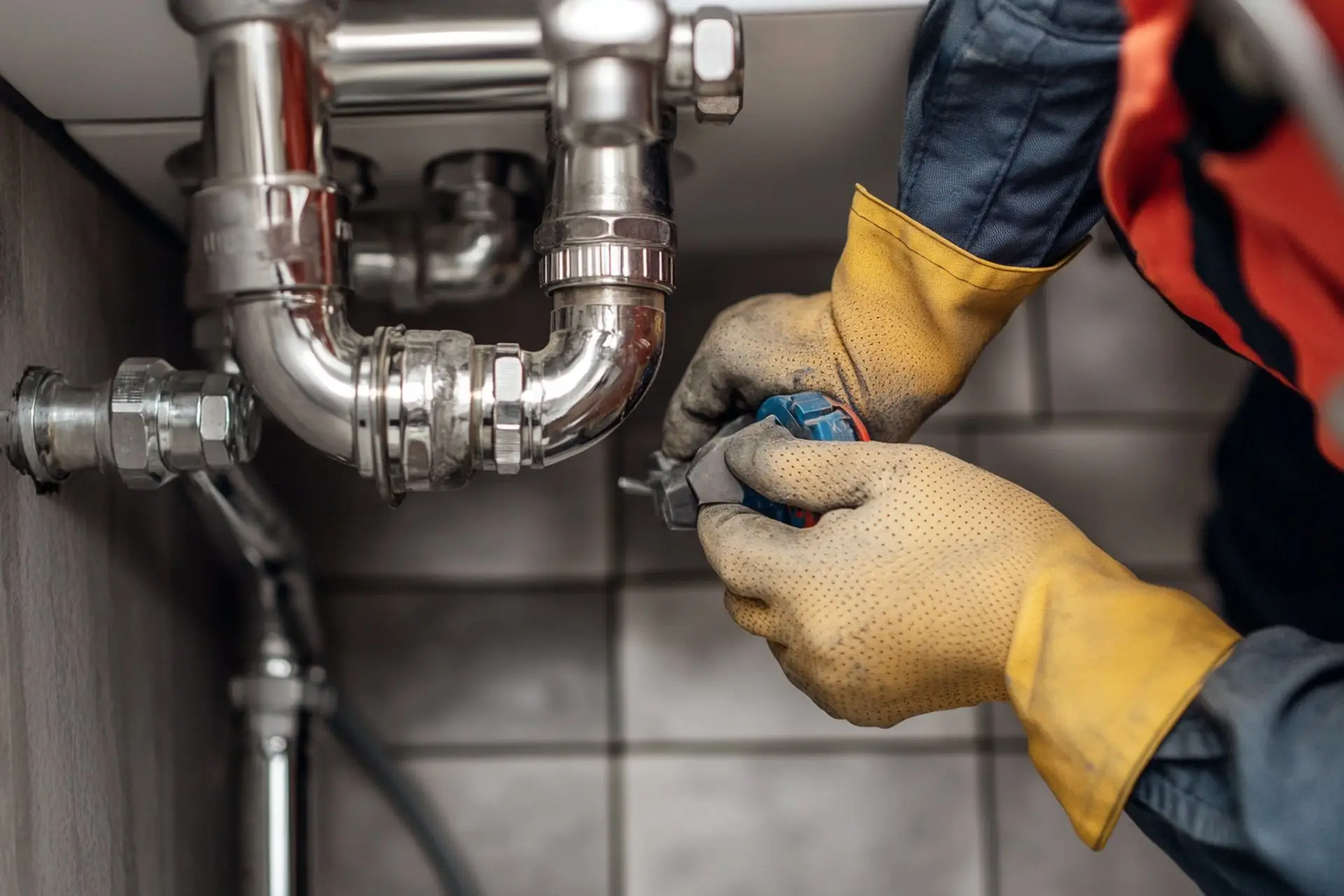
Equally terrifying is the visual blindness to “galvanic corrosion.” A perfectly flipped, beautiful townhouse frequently features pristine, shiny brass and copper pipes beautifully emerging from the newly painted drywall. A standard inspector heavily photographs these modern pipes, declaring them “fully updated.” However, they completely fail to notice that immediately below the floorboards, that shiny an beautiful new copper branch was violently, directly threaded into a heavily rusted, ancient, original galvanized steel “soil stack” without the required presence of a massive, heavily specialized rubber dielectric union. The direct collision of dissimilar metals instantly breeds an invisible electrical decay that completely destroys the heavy iron stack from the inside out within three years. Finding a “flipped” copper pipe bolted to dying steel is a severe architectural crime aggressively explored in FAQ databases focusing on high-end mechanical fraud. If an inspector merely points to shiny copper without auditing the massive cast-iron joints in the basement or demanding digital borescope access down the stack, you must immediately contact a specialized historic plumber.
Final Thoughts on Stripping the Architectural Illusion
Acquiring a majestic, century-old Manhattan brownstone requires violently penetrating the stunning cosmetic illusion constructed by the seller. A standard, generalized home inspection wildly falls victim to this visual charade, merely validating the surface performance of the high-end plumbing fixtures while entirely ignoring the terrifying, highly compromised, deteriorating iron skeleton hidden within the plaster and beneath the street. By fiercely demanding a true, master-level historic auditor—one who ruthlessly scrutinizes the lead municipal connection, forces the massive, multi-story system into aggressive volume collapse, and specifically hunts for the deadly electrical corrosion behind the flipped walls—the buyer successfully disarms the massive liabilities of the property. You secure your millions not by observing the gleam of the new marble, but by accurately diagnosing the health of the 19th-century void.