Defining the Geography of Anemic Hydrology
Securing a classic, narrow 19th-century rowhouse in the East Village is widely seen as a triumph of Manhattan brownstone living, offering an incredibly rare blend of historic brick intimately woven into one of the city’s most fiercely independent, culturally significant neighborhoods. Homeowners purchasing these highly sought-after properties frequently launch entirely into massive, sweeping renovation & restoration projects, eagerly installing sprawling marble bathrooms adorned with dual-head thermostatic rain showers, massive cast-iron soaking tubs, and incredibly powerful commercial kitchens. However, this profound aesthetic ambition often crashes violently and abruptly into an agonizing, seemingly unfixable mechanical reality: the anemic, infuriatingly weak water pressure that plagues the entire neighborhood. No amount of shiny new brass fixtures on the top floor can compensate for a shower that refuses to operate above a pathetic trickle. Understanding exactly why East Village brownstones suffer from chronically low water pressure is a mandatory deep-dive for anyone planning a high-level plumbing & building intervention in this specific typography.
The root cause of this neighborhood-wide pressure collapse fundamentally lies not within the internal pipes of the brownstone, but deep beneath the cobblestones of the narrow avenues themselves. The massive municipal water grid maintained by the NYC Department of Environmental Protection (DEP) is not a monolithic, perfectly pressurized system. It is violently carved into specific “hydraulic zones” heavily dictated by elevation, distance from massive subterranean water tunnels, and the brutal age of the immediate street-level iron. The East Village is geographically situated in one of the lowest elevation points in Manhattan, a fact historically highlighted by its vulnerability to massive storm surges. While the DEP engineered high-pressure tunnels (like City Water Tunnel No. 3) to forcefully shoot water up to the towering high-rises plunging deep into Midtown or the rocky ridges of Hamilton Heights, the East Village is heavily reliant on much older, secondary “branch mains.” These localized street mains—often narrow, 6-inch or 8-inch cast-iron pipes installed in the late 1890s—are frequently the final, exhausted, low-pressure endpoints of a sprawling, overtaxed municipal delivery system before hitting the East River.
The Suffocating Grip of Severe Tuberculation
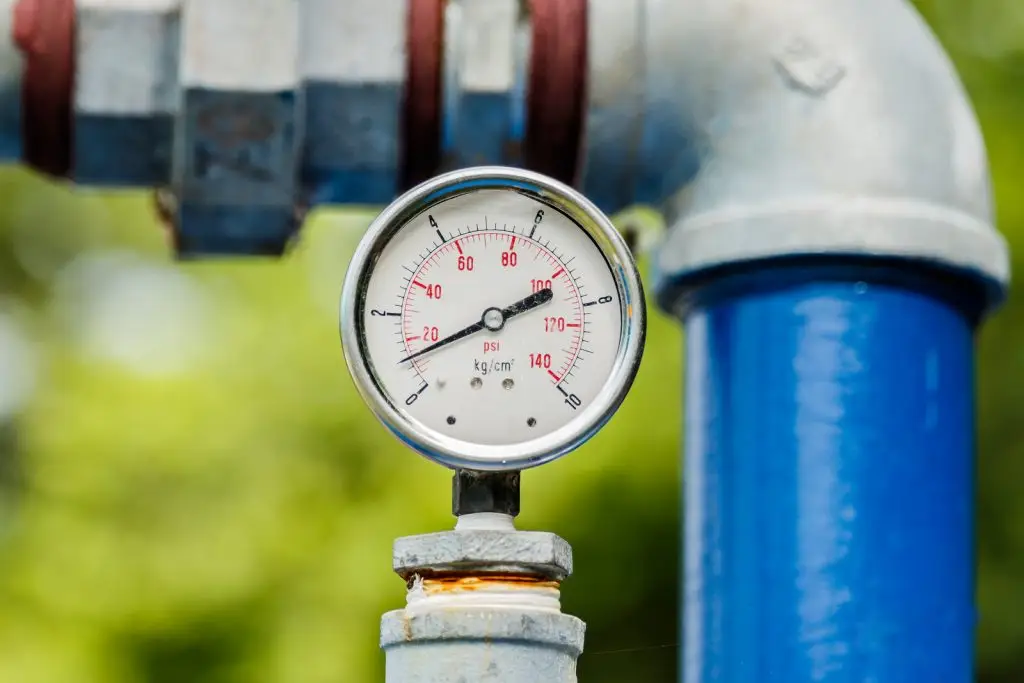
Beyond the simple geographical disadvantage, the brutal age of the iron mains under East Village streets ensures they are heavily compromised by a terrifying physical phenomenon known as “tuberculation.” Over 120 years of constant exposure to highly oxygenated, mineral-rich water, the interior walls of these century-old street pipes have violently rusted, growing thick, jagged, and massive layers of iron oxide. This aggressive scale literally chokes the internal diameter of an 8-inch avenue main down to a minuscule 3-inch channel, severely strangling the absolute volume of water capable of physically flowing through the entire historic block. When dawn breaks and hundreds of residents in closely packed tenements and narrow rowhouses simultaneously turn on their showers, the crippled, tuberculated street main is instantly, violently overwhelmed. The pressure inside the pipe plummets. In this scenario, entirely replacing your brownstone’s internal plumbing with pristine, massive copper lines is completely useless; you cannot forcibly suck 80 PSI out of a street main that is physically incapable of delivering it. Understanding the massive risk of tuberculated local mains is explicitly detailed in any deep neighborhood guide focused on downtown real estate acquisitions. If your entire block suffers from morning pressure collapse, you must contact a specialized engineering firm to bypass the municipal failure entirely.
Furthermore, East Village properties specifically suffer from a high prevalence of terribly undersized, original 19th-century “service connections.” The pipe that bridges the gap between the NYC DEP main in the street and the massive brass shut-off valve hidden in your foundation wall is entirely your liability. Because tearing open the street is brutally expensive and highly regulated by the NYC Department of Buildings (DOB), decades of previous owners flipping the property actively avoided replacing it. It is incredibly common to find a sprawling, three-family East Village brownstone completely choking to death on a shockingly tiny, highly corroded, 5/8-inch lead service line installed during the Grover Cleveland administration. This ancient lead straw simply cannot physically sustain the high-volume GPM (gallons per minute) flow rate demanded by a modern, multi-head luxury shower. Identifying and violently ripping out this lead bottleneck, replacing it with a massive, 1.5-inch or 2-inch solid copper K-type service line straight to the avenue, is a massive point of discussion on specialized forensic blogs prioritizing absolute performance.
The Intervention of the Booster Pump Array
For a homeowner refusing to accept anemic flow in a multi-million dollar East Village property, the ultimate solution is severing their dependency on the failing municipal pressure zone entirely. This requires an architect to design a heavily engineered, massive “Booster Pump and Accumulator Array” deep in the basement mechanical vault. This highly intelligent, variable-speed commercial system essentially siphons water from the street, heavily pressurizes it inside a massive holding tank, and then forcefully blasts it vertically throughout the sprawling house at a perfectly sustained, roaring 80 PSI—completely regardless of how severely the street pressure collapses outside. Navigating the strict, loud EPA and local acoustic codes regarding the legal installation of these massive, vibrating, high-horsepower mechanical systems is heavily explored in advanced residential FAQ databases.
Final Thoughts on Conquering the Geography
Purchasing a historic East Village brownstone means inheriting a profoundly beautiful architectural shell resting upon a deeply crippled, exhausted, 19th-century municipal circulatory system. Expecting the property to magically behave like a new high-rise simply by bolting on modern fixtures is a devastatingly naive strategy. True luxury living in this incredibly specific topography demands aggressive, structural intervention. By abandoning the crumbling lead service line in the street, forcefully bypassing the anemic neighborhood pressure zone with a massive basement booster system, and heavily up-sizing internal copper arteries, a homeowner entirely rewrites the hydrology of their 1890s home. By rejecting the limitations of the block, you secure the absolute, roaring power the architecture demands.