Manhattan Brownstones: Architecture Meets History
The Manhattan Brownstone is your resource for owning and maintaining historic Manhattan brownstones. These homes have unique layouts, aging systems, and architectural details that require specialized care.
Unlike Brooklyn brownstones, Manhattan homes are narrower and more vertical, affecting plumbing and structure. Strict landmark rules and older materials make maintenance and renovation more complex.
Manhattan brownstones come with challenges you won’t find in other historic homes. Their narrow, vertical layouts affect plumbing, heating, and electrical systems, making performance inconsistent across floors.
Built over a century ago, these homes often combine brick, wood framing, and brownstone façades with outdated plumbing and wiring. Modern upgrades aren’t simple—they require careful planning to avoid structural issues and meet strict building codes.
On top of that, landmark regulations in areas like the Upper West Side and Harlem limit what you can change, adding complexity to even basic repairs.
Every building is different. Some have modern systems, others still rely on original infrastructure—leading to variations in water pressure, heating, and electrical performance throughout the home.
Manhattan’s brownstone neighborhoods each have distinct architecture, building age, and maintenance challenges. Understanding these differences helps homeowners and buyers plan for repairs, upgrades, and preservation requirements.
Wide streets and classic façades, but strict landmark rules and aging plumbing systems require careful upgrades.
Narrow row houses with mixed-era systems, making plumbing, wiring, and ventilation less predictable.
Mixed-use buildings with partial upgrades. Water pressure and system consistency can vary by floor.
Older construction with original plumbing and wiring. Higher ceilings and detailed façades add renovation complexity.
Tightly packed brownstones with complex, often shared systems and strict façade regulations.
Living in a Manhattan brownstone blends historic charm with modern city life. Unlike condos, these homes feature vertical layouts, intimate streets, and architectural details like stoops, parlor floors, fireplaces, and handcrafted woodwork.
Ownership requires a hands-on approach. Brownstones aren’t “set it and forget it”—they demand attention to plumbing, electrical systems, heating, and structural maintenance. Narrow lots and vertical designs affect water flow, heating, and renovation planning, so even small upgrades need careful consideration.
Compared to Brooklyn, Manhattan brownstones face tighter lots, older materials, and stricter landmark regulations, making renovations more complex.
Neighborhoods—from Harlem to the Upper West Side and East Village—offer unique cultural and architectural experiences. Residents enjoy historic streets, walkable avenues, and city amenities, but must balance modern living with the responsibilities of maintaining a historic property.
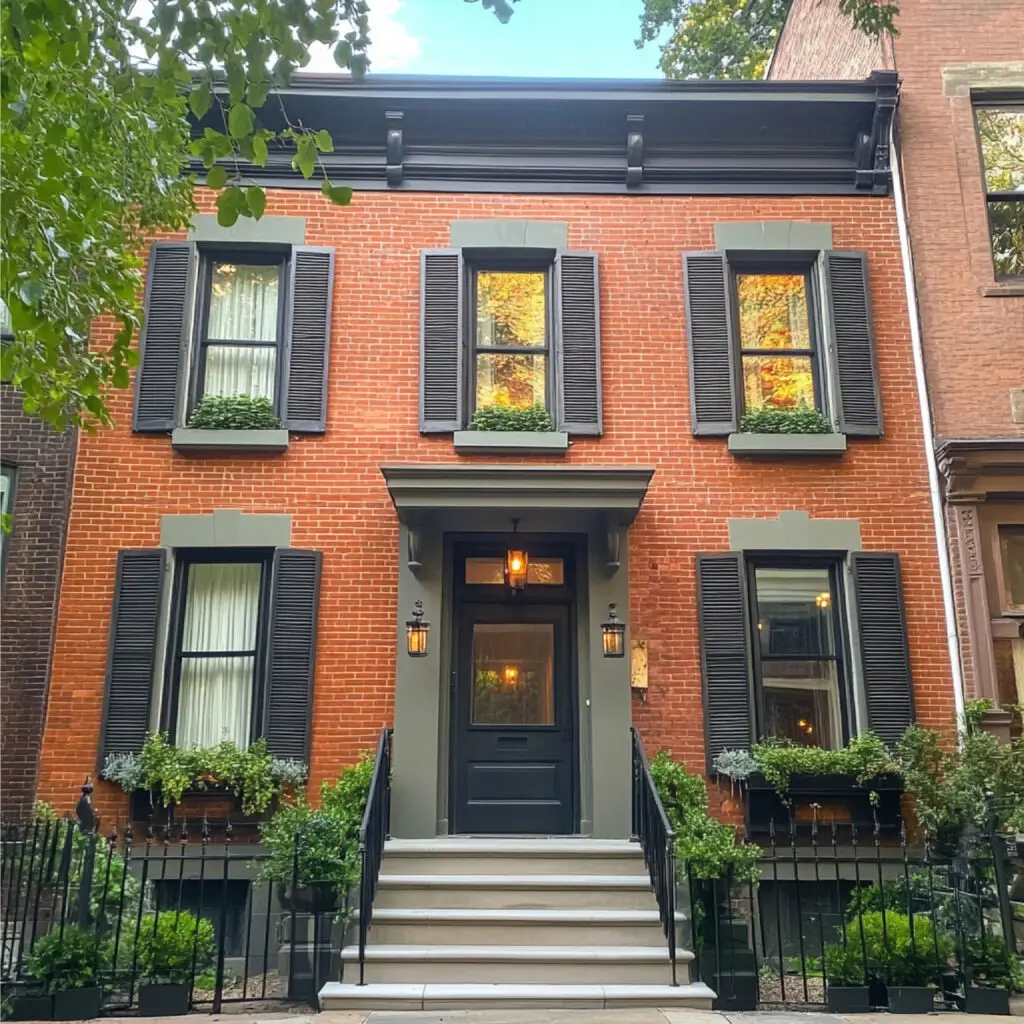
“Every brownstone carries the fingerprints of dozens of previous owners — layers of decisions, materials, and repairs accumulated across a century and a half. Understanding that history is what separates restoration from renovation.”
The Manhattan Brownstone · Editorial
Yes. Manhattan brownstones often have narrower lots, deeper layouts, stricter landmark oversight, and older mechanical systems. Renovations and system upgrades are typically more complex and regulated.
Landmark restrictions, limited access, vertical layouts, and older infrastructure all increase planning time, labor complexity, and material costs compared to non-landmarked properties.
Yes, but it requires careful design. Experienced professionals can integrate modern systems while preserving plaster walls, moldings, staircases, and historic facades.
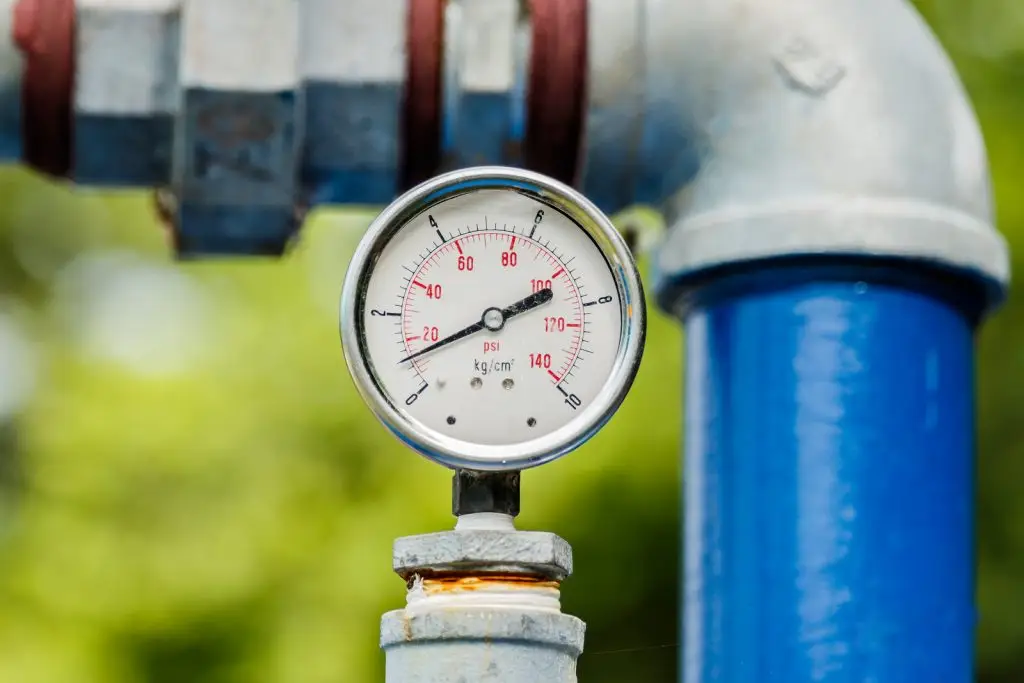
Vertical height, aging risers, mixed plumbing materials, and legacy system design can all cause pressure differences between lower and upper floors within the same building.