Defining the Topography of the Hidden Vault
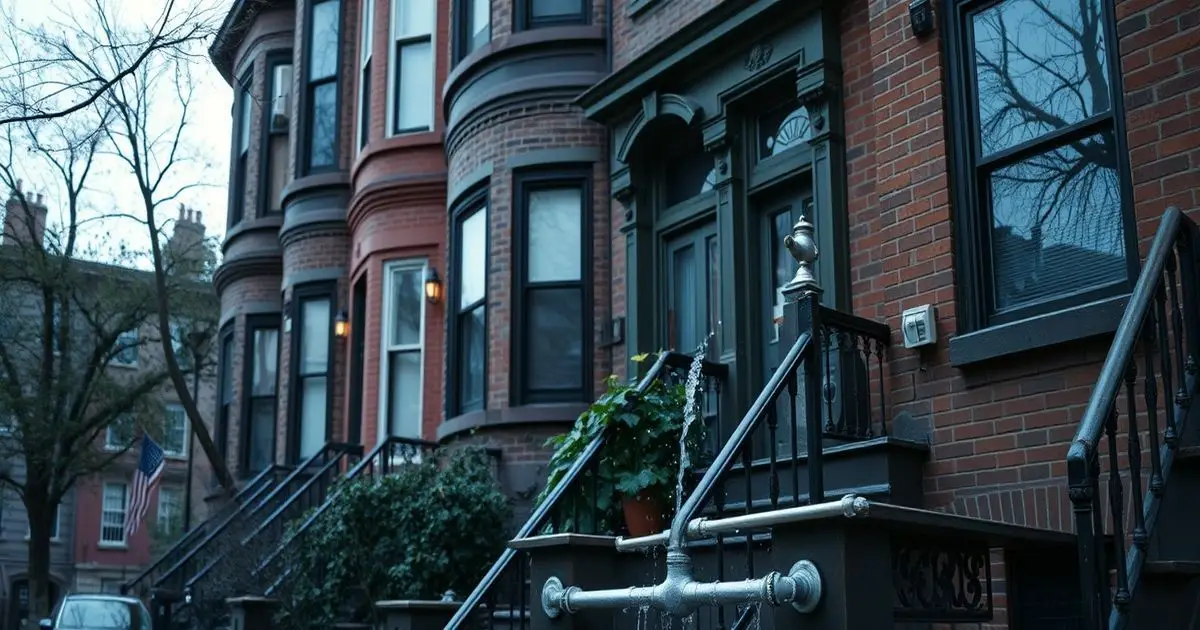
The iconic, sweeping staircase leading up to the grand parlor doors of a classic Manhattan townhouse is arguably the most defining architectural feature of Manhattan brownstone living. These heavy stone structures—often exquisitely carved from limestone, sandstone, or the namesake brownstone—project power, history, and elegance. However, beneath the ornate cast-iron railings and the pristine, sweeping treads of these heavy stairs lies a frequently completely ignored, intensely practical, and heavily regulated mechanical zone. In a city starved for square footage, the void physically located underneath a classic stoop or immediately inside the massive front entrance is almost always the hidden, beating heart of the home’s connection to the municipal grid operated by the NYC Department of Environmental Protection (DEP). When embarking on an exhaustive renovation & restoration project, discovering precisely how your historic stoop conceals the property’s primary plumbing access points is not merely an architectural investigation; it is the absolute foundation of your mechanical defense strategy.
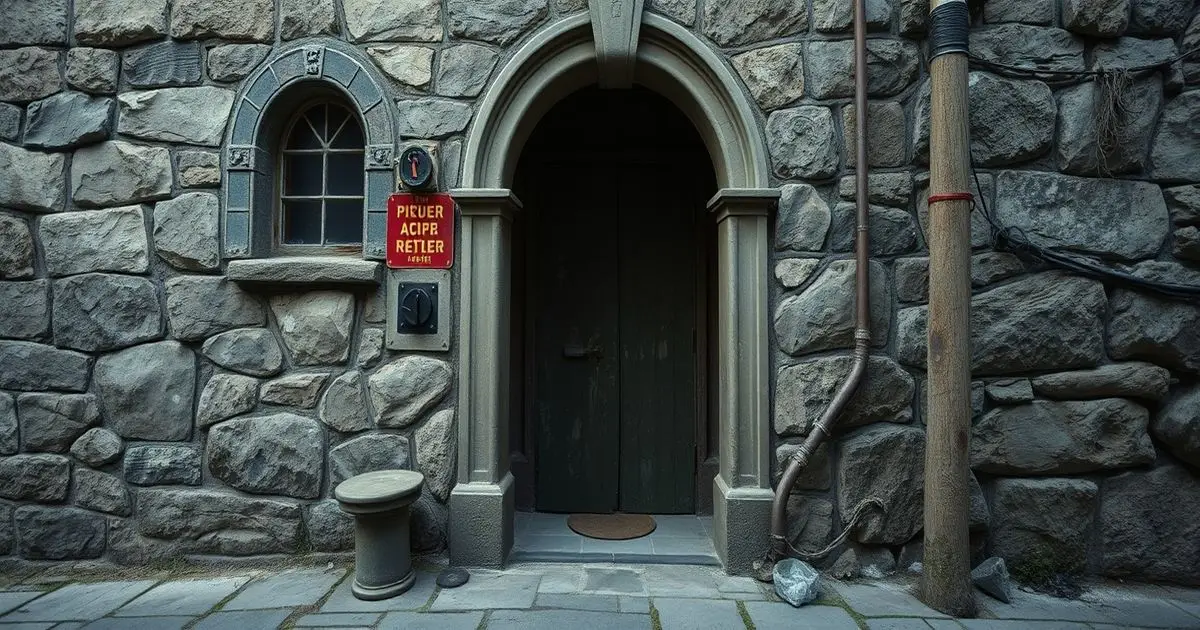
The most crucial, heavily guarded element hidden either directly inside the stone vault under the stoop or sunk immediately behind the heavy wooden doors of the garden-level entrance is the primary “city water service main.” This massive, pressurized pipe—which historically was constructed of soft lead or thick, galvanized steel in the late 19th century—physically branches off the massive, high-volume iron aqueduct running beneath the avenue, tunnels under the pedestrian sidewalk, and violently pierces the front foundation wall of the brownstone. According to the strict building maintenance codes constantly audited by the NYC Department of Buildings (DOB), the very first point of contact inside the property line must feature a massive, heavily engineered, and easily accessible “main shut-off valve.” In the event of a catastrophic internal pipe burst on the fourth floor, or a sudden, terrified scream from a contractor who accidentally sliced a live, unmapped 1950s copper line hiding behind parlor plaster, reaching this exact, specific valve under the stoop within seconds is the only physical barrier separating minor water damage from a complete, multi-million dollar structural flood. Understanding the exact location and physical condition of this massive brass wheel valve is precisely detailed as a non-negotiable step in any advanced plumbing & building emergency checklist.
The Bastion of the House Trap
Equally critical to the incoming supply line is the primary exit point for the entire home’s sewage and wastewater: the main “house trap.” Because the front of the brownstone is geographically closest to the massive, roaring combined sewer lines managed by the DEP under the avenue, the immense, 4-inch to 6-inch vertical cast-iron soil stacks descending through the center of the home must ultimately turn horizontally across the basement floor and terminate exactly beneath the front entrance or the stoop vault. At this highly specific terminus, the pipe forms a massive, U-shaped cast-iron structure. This house trap is permanently filled with several gallons of standing water, acting as an impenetrable physical barrier that prevents terrifying, highly explosive, and lethal methane sewer gases—and aggressive, city-dwelling vermin—from freely walking backward from the street main into the pristine living room. A failing, cracked, or completely missing house trap represents a massive health crisis strictly regulated by EPA indoor air quality legislation. Because the house trap is physically sunk below the concrete floor, its massive brass “clean-out” plugs are frequently buried under decades of dirt, old linoleum, or completely walled-off by cheap basement drywall installed during a rushed flip. Uncovering and permanently securing access to these two brass caps under the front entrance is a massive point of discussion on specialized forensic blogs and deep-dive architectural neighborhood guides.
Furthermore, the physical space under a massive historic stoop was frequently utilized as the home’s coal chute or cold-storage vault in the 1890s. Today, during a massive gut renovation, an architect frequently repurposes this highly valuable, subterranean stone cavity to permanently house a massive, commercial-grade water meter, a towering multi-stage sediment filtration cylinder, or a howling, high-horsepower water pressure booster pump system. By isolating these loud, vibrating, and heavily sweating mechanical intervention systems entirely outside the primary acoustic envelope of the basement living space, the homeowner guarantees absolute, luxurious silence in the newly finished English garden apartment or high-end media room. If your home regularly experiences sudden, terrified drops in morning water pressure, you must immediately contact a specialized engineering firm to determine if the stoop vault can physically house a massive booster array.
The Danger of the Superficial Flip
In the high-stakes world of Manhattan real estate, one of the most obvious signs of a “lipstick on a pig” renovation occurs exactly at the front entrance. To save money, flippers frequently construct beautiful, custom oak cabinetry or pour pristine poured-concrete floors directly over the massive, ugly brass main water shut-off valve or the rusted iron clean-out caps of the house trap. This creates a visually perfect entrance hall while simultaneously guaranteeing that the first time a major sewer backup occurs, a plumber must violently smash through the brand new flooring with a sledgehammer simply to insert a terrifying motorized auger. Ensuring these massive, brutal mechanical access points are elegantly, yet instantly, accessible—via heavy, recessed floor panels or disguised millwork—is a frequent topic in high-end FAQ databases focusing on seamless historic integration.
Final Thoughts on Honoring the Threshold
The sweeping stoop of a Manhattan brownstone is a powerful, historic symbol of arrival and permanence. However, understanding the physical structure requires looking past the beautifully carved limestone treads to recognize the brutal, mechanical reality hidden immediately below. The front entrance is the absolute, uncompromising threshold where the city ends and the sanctuary begins. By purposefully locating, relentlessly auditing the physical condition of, and heavily protecting access to the massive main water valve, the subterranean house trap, and the primary municipal meter hidden in the stone vault, a homeowner effectively assumes command of their mechanical fortress. A true restoration doesn’t bury the infrastructure; it elegantly, intelligently defends it.