Skip to content
Manhattan Brownstones: Architecture Meets History
Home
Manhattan Brownstone Living
Renovation & Restoration
Plumbing & Building
Neighborhood Guides
FAQ
Blog
Contact
Home
Manhattan Brownstone Living
Renovation & Restoration
Plumbing & Building
Neighborhood Guides
FAQ
Blog
Contact
Home
Manhattan Brownstone Living
Renovation & Restoration
Plumbing & Building
Neighborhood Guides
FAQ
Blog
Contact
Home
Manhattan Brownstone Living
Renovation & Restoration
Plumbing & Building
Neighborhood Guides
FAQ
Blog
Contact
Blog
Blog Posts
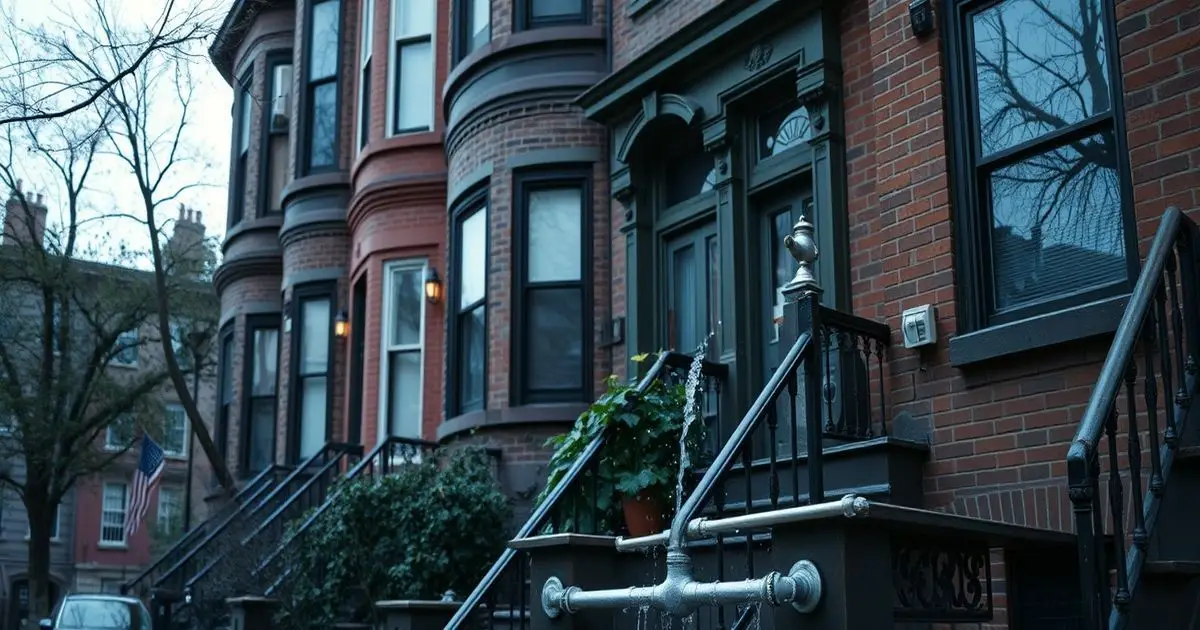
How historic stoops and entrances hide plumbing access points
Why East Village brownstones often have lower water pressure
What Harlem brownstone owners should know about mixed metal plumbing
The long-term cost benefits of full-house re-piping in Manhattan
Why some brownstones get discolored water after snowmelt
Signs that your century-old plumbing is nearing end-of-life
How to predict water flow changes before a renovation
Why Manhattan brownstones often need staged plumbing upgrades
The difference between replacing risers and replacing branch lines
How to fix persistent pressure imbalance in multi-floor homes
Why even fully renovated townhouses can still have plumbing blind spots
How to integrate water-saving fixtures in older Manhattan layouts
How electrification trends affect plumbing considerations in old homes
Why some UWS homes have hot water delays despite modern boilers
The signs that your plumbing issues are tied to your block, not your home
How front vs. rear extensions change plumbing behavior
Why older Manhattan brownstones need more plumbing vents and clean-outs
The importance of understanding your brownstone’s internal riser layout
Why flushing rarely fixes brown water inside prewar townhouses
How Manhattan’s water pressure zones affect townhouse living
Why fixture upgrades often reveal hidden plumbing defects
What homeowners learn after re-piping a Harlem townhouse
The truth about updating kitchens in narrow Manhattan brownstones
When Manhattan brownstone water issues indicate deeper structural problems
How to evaluate the plumbing behind a restored façade
Why water temperature swings happen in many older UWS homes
How to identify if a Manhattan brownstone has been poorly renovated
The role of vertical stacks in older Manhattan townhomes
What to expect when replacing all plumbing in a Manhattan brownstone
How Harlem multi-family conversions affect water distribution
The most common plumbing failures during Manhattan gut renovations
Why Upper West Side brownstones often have unique drainage issues
How original brick and plaster hide multiple plumbing eras
East Village brownstones: the complications behind narrow-lot plumbing
Why sub-basements change how water behaves in older UWS brownstones
How riser placement affects water temperature in Manhattan townhouses
What renovated Harlem brownstones can still hide behind new finishes
Why certain UWS blocks have better water pressure than others
How to modernize plumbing without damaging historic Manhattan interiors
Why Harlem brownstones experience more sediment after city work
What Upper East Side townhouse owners should know before adding a bathroom
The hidden plumbing challenges inside Hamilton Heights brownstones
How landmark rules affect plumbing access inside UWS homes
Why some Manhattan brownstones still have 100-year-old service lines
What buyers should check before closing on a Manhattan townhouse
How Harlem brownstone layouts influence water flow and pressure
Why Upper West Side brownstones reveal plumbing issues late into renovations